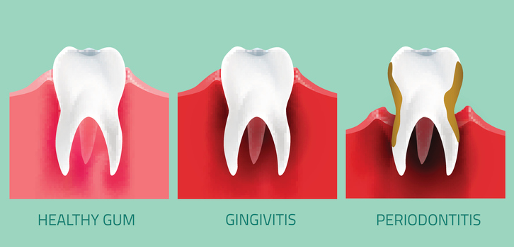
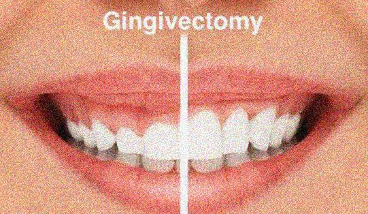
Sometimes, periodontal surgery may be needed to treat certain gum diseases and conditions, such as Gingivitis ,Periodontitis or Gingivectomy. This type of surgery is commonly known as Gum Surgery. The procedure aims to treat the gum disease and any damage it may have caused by. It can: • remove bacteria from beneath your gums • make it easier to clean your teeth • reshape the bones that support your teeth • prevent future gum damage
What is Dental & Gum Esthetic ?
Sometimes, periodontal surgery may be needed to treat certain gum diseases and conditions, such as Gingivitis ,Periodontitis or Gingivectomy. This type of surgery is commonly known as Gum Surgery. The procedure aims to treat the gum disease and any damage it may have caused by. It can: • remove bacteria from beneath your gums • make it easier to clean your teeth • reshape the bones that support your teeth • prevent future gum damage
Who’s a good candidate?
People with severe or advanced disease around their gums and the tissues that support their teeth are usually candidates for periodontal surgery. If you have gum disease, your symptoms might include: • gums that are swollen, red, or bleeding • deep pockets that form between your gums and teeth • loose teeth • pain when chewing • bad breath • gums that recede or pull away from your teeth Your doctor will let you know if you could benefit from periodontal surgery. Your dentist might recommend more conservative treatment approaches if your gum disease isn’t advanced.
Types of surgical procedures
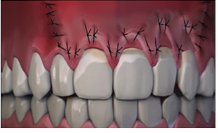
Which kind of surgery a dental surgeon performs depends on the type and severity of the gum disease. Flap surgery: Flap surgery is especially helpful for people who have tartar deposits in deep pockets. The procedure involves lifting the gums off of the teeth to remove tartar buildup. After the surgeon has cleaned the area and removed the tartar, they will stitch the gums into place to fit around the teeth. Sometimes, the bone may require reshaping during this procedure.
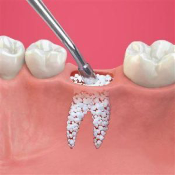
Bone grafting When the bone that surrounds the root of the tooth is damaged or destroyed, a person may need a bone graft. This procedure involves replacing the damaged bone with new bone. This bone may be the person’s bone, a manufactured bone, or donated bone. The goal of bone grafting is to hold the tooth in place and help it to regrow.
Guided tissue regeneration During this procedure, a dental surgeon will place a small piece of mesh-like material between a person’s bone and gum tissue. The material prevents the gum from growing into space where bone should be, allowing the bone and connective tissue to regrow.
Dental & Gum Esthetic Process
Depending on the type of procedure, a range of things may take place. • Most gum surgery procedures take around 2 hours to complete. In some cases, the surgery will require a person to be asleep or partially asleep during the procedure. Other times, the surgery only involves the use of a local anesthetic to numb the gums. The injection of the numbing medication can be mildly uncomfortable. • After making small incisions or cuts along the gum line, the dentist will lift the gums away from the teeth. This allows the dentist to see the roots better so that they can remove and clean away any tartar, plaque, or infection. • Following this deep cleaning, the dental surgeon can perform other procedures, such as gum reshaping, bone regeneration procedures, or other planned procedures. • Once the planned dental surgery is complete, the surgeon will stitch the gums back into place, using fine thread stitches - that will be removed 7 to 10 days after surgery - or a melting thread.
Before the surgery
• A couple of weeks before your procedure, you may need to stop taking certain medications, such as aspirin (Bayer, Bufferin), pain relievers, and blood thinners. Most dentists advise not smoking or drinking alcohol at least 24 hours before the procedure. • Your doctor might give you an antibiotic to take before your procedure to lower your chances of developing an infection. • You should also arrange for someone to take you home after your procedure is finished. The anesthesia, sedation, or other medications you’ll receive during the procedure might affect your reaction times. That means it may not be safe for you to drive afterward.
After the surgery
Recovery times will depend on the extent of the procedure taking place Dentists may recommend: • Pain relief medications • using an antiseptic mouthwash to keep the area clean and to avoid infection • avoiding strenuous exercise • eating soft foods in the days following surgery • not smoking A person’s gums will look and feel different after surgery. The gums and teeth will heal, tighten, and become firmer and stronger. Some people may have tooth sensitivity to hot or cold temperatures and may find relief by using desensitizing toothpaste.
Request Consultation